Implementing GenAI In Diplomacy: A Far-Fetched Ambition?

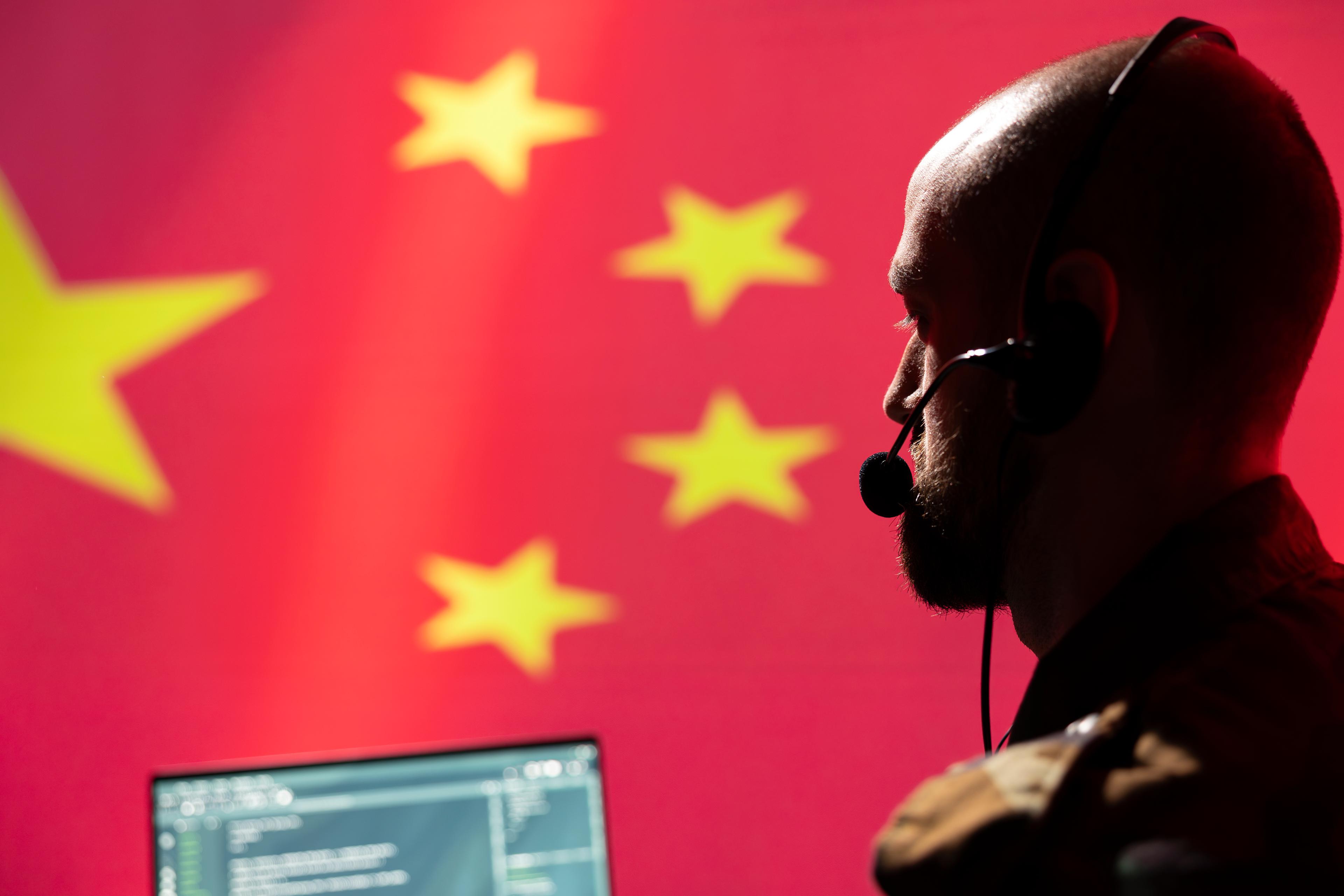
Diplomacy as a field has long been categorized as strictly « human », necessitating negotiation, close relations, and cultural nuances by framing itself as representing individuals with their own perceptions and value judgments. Today, these longstanding traditional diplomatic channels are challenged by the rise of artificial intelligence models, with generative AI being the forerunner for the potential implementation of deep learning techniques in the art of diplomacy. The potential usage of AI in this field can alter the « human-centered » explanations of international relations phenomena such as the realist and liberalist perspectives. This begs the question; to what extent can AI overthrow the foundational pieces of international affairs that connect humans?
NEGOTIATIONS
Crafting peace treaties and smoothing out diplomatic tensions and negotiations requires immense knowledge of a state’s history, culture, collective memory, and past conflicts, all of which need to be studied by diplomats and representatives in a bilateral setting. What makes AI unique is that, most generative AIs can not only gather the aforementioned data, but they can also reduce human mistakes, obstructions, and miscalculations that are often associated with a lack of understanding of a complex geopolitical reality, in which AIs are more than capable of clarifying and simplifying.
A recent study shows that some countries have already started experimenting with AI in negotiations. For example, in the US, the Center for Strategic and International Studies’ Futures Lab is using ChatGPT and DeepSeek, with Pentagon funding, to simulate peace agreements, monitor ceasefires, and help prevent large-scale catastrophes. Apart from the US initiatives, the UK is experimenting with predictive scenario planning in this field, whereas the Iranian researchers are focusing on comparable applications.
EASING DIPLOMATIC PRACTICES
AI presents an important leverage to countries with immense budgets and funds for GenAI research, which could potentially result in an unbalanced monopoly in technological advancement. For this reason, the United Nations focuses on a more « human-centered » approach to AI’s implementation, by underlining the potential usage of AI to promote multilateralism, cultural diversity, and inclusion with its GenAI Guidance. Research also shows the utility of AI by the UN for intervention planning and security negotiations.
Another possible direct implementation of AI in the diplomatic corps is the Hungarian example. A Hungarian innovation, a blockchain-based digital application is set to enhance diplomatic communication security through encryption and stratified access. Thus, a potential usage of AI-based cyber-diplomacy tools can cater to the needs of 21st-century diplomats and MFA personnel who are targeted more and more with new cyber-terrorist initiatives.
Apart from AI’s potential usage in negotiations, simulations, and cyber-diplomacy, another technical and more probable utilisation is the service industry within the diplomatic corps. As an example, GenAI can be utilized to manage consular services, especially visa demands. By AI’s predictive models, consulates can assess whether to issue a visa to an applicant, identify patterns, and eventually increase citizen satisfaction.
DIGITAL SOVEREIGNTY
With the increased use of GenAI in diplomatic affairs, another diplomatic concept within this framework emerges; « Digital Diplomacy ».
More and more states are trying to expand their playground regarding their « digital sovereignty » which questions territoriality and traditional border diplomacy. For example, the EU General Data Protection Regulation or the US Cloud Act demonstrate the shift to extra-territoriality and the emergence of sovereign power that is exercised in the digital platform. Countries such as the UK, the Netherlands, Taiwan, and Pakistan use different strategies to adapt to this new diplomatic race. While some of these countries emphasize domestic hosting and routing, others handle trade-offs regarding their autonomy and practicality.
THE RISK OF AI USAGE IN DIPLOMACY
GenAI, with all its advantages, poses a great risk in its implementation to diplomatic affairs, especially those requiring complex layers of human ingenuity and accuracy. Many GenAI’s data pool is correlated with the biases of their developers, serving different interest groups, and may affect diplomatic practices through misinformation. Along with causing mistrust in public and bilateral diplomacy; AI’s usage in digital diplomacy may result in data inaccuracies and information leaks which threaten the sovereignty of states, thus making AI usage an ethical and practical grey line in the field of diplomacy.
CONCLUSION
In conclusion, AI usage in diplomatic contexts remains a fairly new and risky initiative. While many « technical » aspects like consular services, data collection, and prediction maps will be used frequently in the future by the states, some other fields of diplomacy are bound to stay « human ». These might include areas like cultural diplomacy, where nuances and cultural appreciation matter the most, or conflict resolution, which is only possible by actors who are trained and educated on these matters, where numerous possible approaches exist.
RESOURCES
Kardumyan, Vrezh. 2025. “The Impact of Artificial Intelligence on International Relations: Are Current Paradigms Still Relevant?”. YSU Journal of International Affairs 1 (1): 116-35. https://doi.org/10.46991/jia.2025.1.1.116.
Zia, L., & Waks, L. (2025, June 11). Rethinking diplomatic negotiations in the age of AI. USC Center on Public Diplomacy. https://uscpublicdiplomacy.org/blog/rethinking-diplomatic-negotiations-age-ai
Bano, M., Chaudhri, Z., & Zowghi, D. (2023). The role of generative AI in global diplomatic practices: A strategic framework. arXiv preprint arXiv:2401.05415.
Santaniello, M. (2026). Attributes of Digital Sovereignty: A Conceptual Framework. Geopolitics, 31(2), 788–809. https://doi.org/10.1080/14650045.2025.2521548
Cover Image: www.freepik.com