Diplomatic Insights : A Year-End Visit to the German Embassy

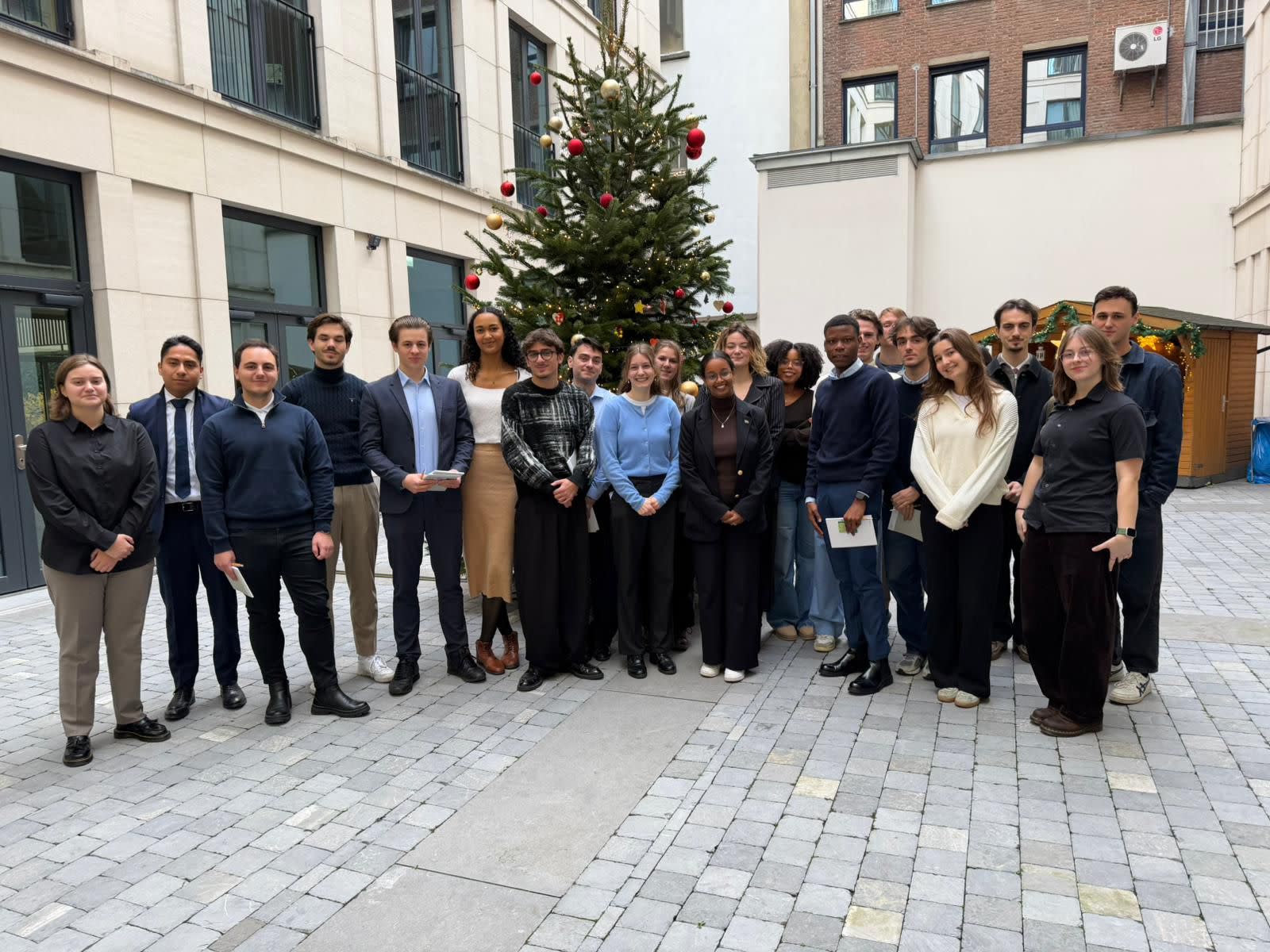
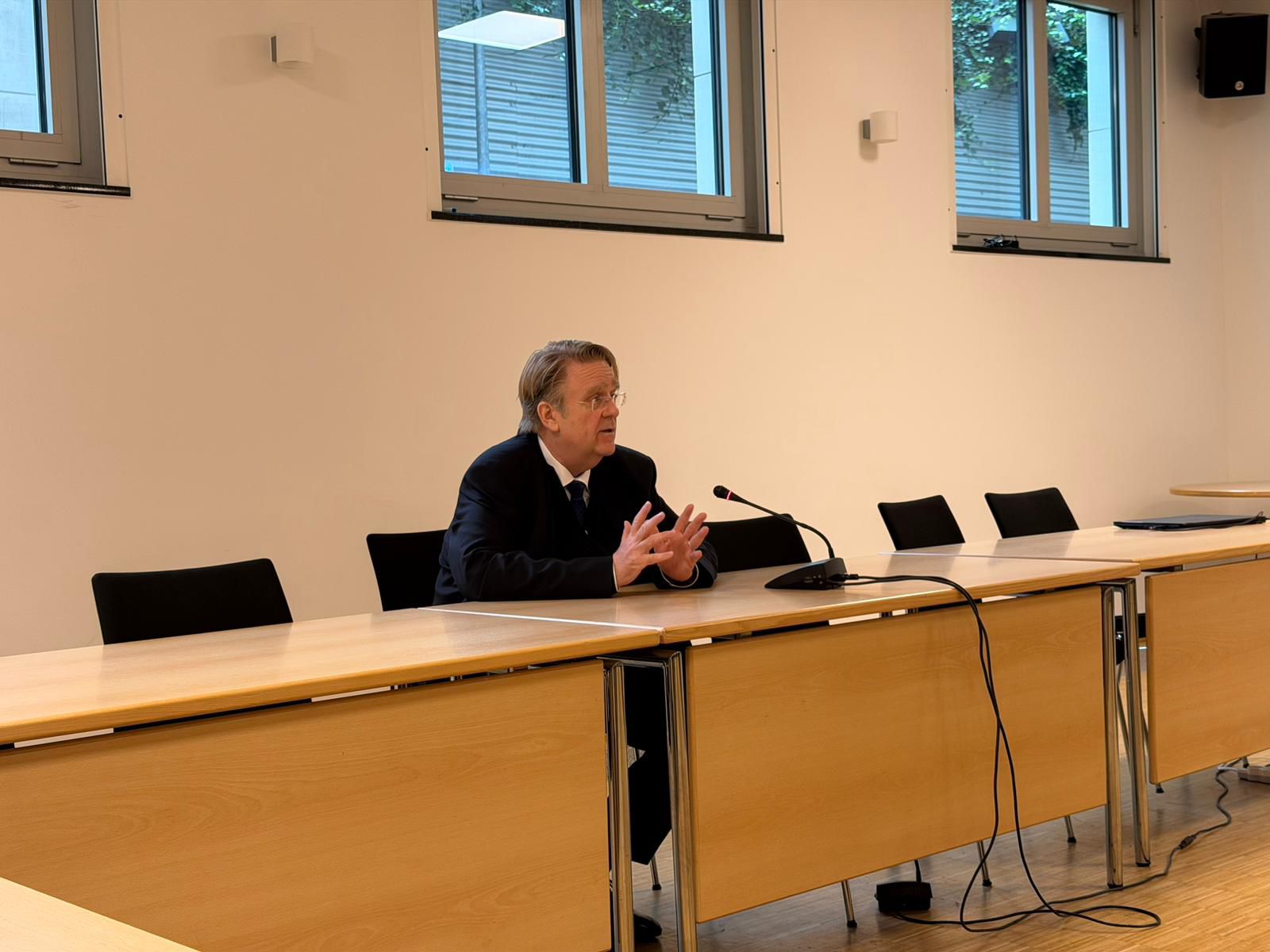
The Comité Diplomatique had the opportunity to be invited to a visit to the German Embassy in Brussels and a meeting with Ambassador Thomas Hans Ossowski, who shared his extensive personal and diplomatic experience.
A "Complicated" Path to Brussels
Our host’s journey to the heart of Europe was anything but linear. With a life spanning 22 different moves, he admitted his career path was "a little complicated". From a first posting in Angola to a four-year stint as a magazine executive in Washington D.C., he eventually found his way back to the Foreign Office, and to Brussels.
He first landed here in 2005 during the intense EU Presidency and returned in 2011, noting that while the work is "dense," the connection between Germany and the EU remains the core of his mission.
The Bridge Between Berlin and Brussels
The life of a diplomat at this embassy is essentially that of a professional "translator" not just of language, but of policy. Key responsibilities include:
Policy Alignment: Ensuring German views and EU positions actually match up, especially regarding economic and academic exchanges.
Security & Ukraine: Managing the fallout of Russia’s invasion, which our host described as a direct threat to the EU. Germany has invested billions in military equipment to support Ukraine, emphasizing that European unity is no longer optional but essential.
The Drone Challenge: Interestingly, we discussed Germany’s support for Belgium’s military, including a 50-million-euro investment in drone technology and security.
Navigating the "Belgian Bubble"
One of the most relatable parts of the discussion was the challenge of explaining Belgium to Germans. While Germany has moved toward a more centralized model, Belgium has done the opposite. Whether it’s energy policy or COVID-19 restrictions, figuring out "who is responsible for what" in Belgium remains a constant puzzle for the embassy.
We also touched on the "weight of history." It was surprising to hear that a German diplomat spends a significant amount of time in cemeteries. Belgian memory culture is incredibly strong, and attending commemorations is a vital way for Germany to acknowledge its historical responsibility while building a cooperative future.
Closing the Year
As we navigated the various "bubbles" of Brussels, from EU institutions to the German-speaking community in the East, it became clear that dialogue is what keeps these spheres connected.
It was a fascinating way to conclude 2025, leaving us with a much deeper appreciation for the work that goes into keeping the German-Belgian-EU engine running smoothly and constantly evolving.